Build a Digital Marketing Career in the UK
A practical career guide for master’s students, international graduates, PhD researchers and career changers who want to move into paid media, SEO, content, analytics or marketing automation.
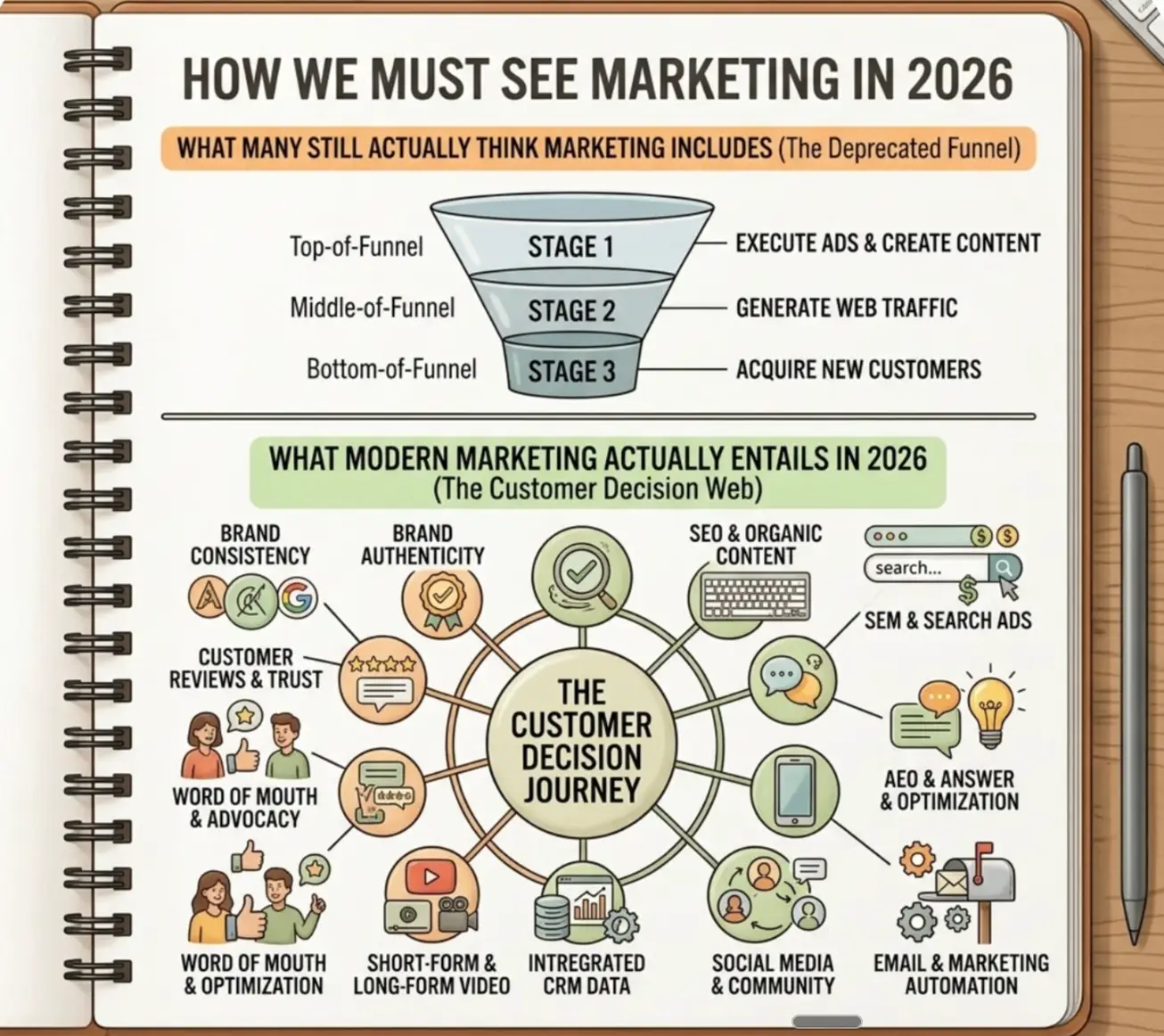
See how paid media, SEO, content, analytics and automation work together.
Your degree is useful. Proof of work gets interviews.
A master’s degree or PhD can demonstrate research, communication, analytical thinking and persistence. Employers still need evidence that you can apply those skills to a commercial problem. Your fastest route into digital marketing is to choose a role, learn its core tools and build two or three portfolio projects that show how you think.
Master’s students
Turn assignments, society work and dissertation research into campaigns, customer insights and measurable portfolio projects.
International graduates
Build UK-relevant experience through university projects, charities, local businesses and clearly documented self-directed campaigns.
PhD researchers
Translate research design, data analysis, stakeholder management and complex communication into marketing language employers understand.
Which digital marketing role suits you?
Paid Media Executive
Best for analytical learners who like experiments, numbers and direct commercial results.
Learn: Google Ads, Meta Ads, tracking, landing pages and reporting.
SEO Executive
Best for people who enjoy research, websites, content structure and long-term growth.
Learn: keyword research, technical SEO, content briefs and Search Console.
Content Marketer
Best for strong writers and communicators who can turn audience insight into useful content.
Learn: research, editorial planning, distribution and conversion writing.
Marketing Analyst
Best for quantitative graduates and researchers who enjoy finding patterns and explaining decisions.
Learn: GA4, spreadsheets, Looker Studio, SQL basics and attribution.
CRM and Automation
Best for organised problem-solvers interested in customer journeys and marketing systems.
Learn: HubSpot, Salesforce, email workflows, segmentation and lead scoring.
Growth Marketer
Best for generalists who want to connect acquisition, conversion, retention and revenue.
Learn: paid media, CRO, analytics, lifecycle marketing and experimentation.
What UK employers need to see
| Capability | What to learn | How to prove it |
|---|---|---|
| Campaign planning | Audience, objective, offer, channel and budget | A one-page media plan for a real or sample business |
| Execution | Account structure, keywords, creative and targeting | Annotated mock campaign builds and screenshots |
| Measurement | KPIs, tracking, GA4 and reporting | A dashboard with written recommendations |
| Optimisation | Testing, diagnosis and budget decisions | A case study explaining what you would change and why |
| Communication | Clear writing and stakeholder updates | A concise campaign report or presentation |
Your 90-day digital marketing career plan
Weeks 1–2: Pick one target role
Review 20 relevant job descriptions. Record the recurring tools, responsibilities and evidence employers request.
Weeks 3–5: Learn the foundations
Focus on one primary channel. For paid media, learn account structure, targeting, conversion tracking, creative testing and reporting.
Weeks 6–8: Build two portfolio projects
Create a campaign strategy and a performance diagnosis. Show assumptions, decisions, calculations and next steps.
Weeks 9–12: Apply and improve
Tailor your CV, publish portfolio work, improve LinkedIn and use interview feedback to strengthen weak evidence.
A strong portfolio explains your decisions
A dashboard screenshot alone is not a case study. Explain the business objective, audience, campaign structure, KPIs, findings and what you would test next. If you use simulated data, label it clearly.
Build paid-media skills in Ads School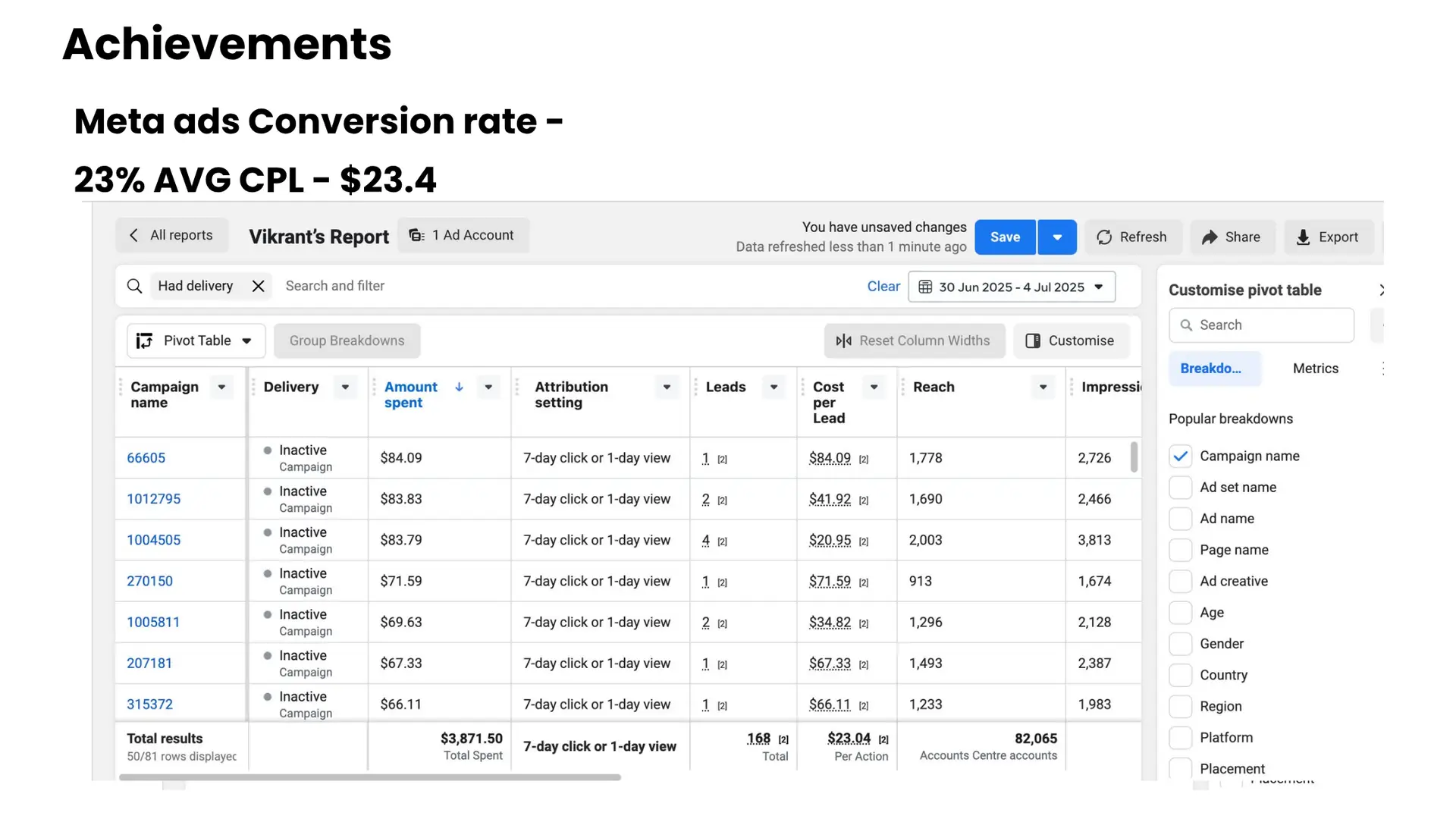
Translate academic experience into employer language
Research
Say: customer, market and competitor research that informed a decision.
Data analysis
Say: analysed complex datasets, identified patterns and communicated actionable findings.
Presentations
Say: explained complex information clearly to specialist and non-specialist stakeholders.
Project management
Say: planned and delivered a multi-stage project under fixed deadlines.
Teaching
Say: adapted communication for different audiences and improved engagement.
Publication
Say: produced accurate, evidence-led content through research, editing and peer review.
International graduates: understand your work status
The UK Graduate visa can allow eligible graduates to work, look for work or be self-employed. According to current GOV.UK guidance, it lasts two years if you apply on or before 31 December 2026, 18 months for applications from 1 January 2027, and three years for PhD or other doctoral graduates.
UK digital marketing career FAQs
Can I get a digital marketing job without a marketing degree?
Yes. Employers frequently consider graduates from different subjects. You need to demonstrate relevant skills, commercial awareness and practical work through projects, volunteering, freelance work or internships.
Is a master’s degree enough to get a digital marketing job?
A master’s can strengthen your knowledge, but it does not replace practical evidence. Combine it with a focused portfolio, tool familiarity and examples of decisions you made.
Which role is best for an analytical person?
Paid media, marketing analytics, CRO and CRM are strong options. Each combines quantitative thinking with commercial problem-solving.
How many projects should my portfolio contain?
Two or three detailed, relevant projects are usually more persuasive than ten superficial examples. Explain the problem, process, measurement and recommended next action.
Can a PhD help me enter digital marketing?
Yes, particularly in research, analytics, strategy, technical content and complex B2B sectors. Translate academic terminology into business outcomes and add evidence of modern marketing tools.
Turn knowledge into practical campaign skills
The Ads School teaches Google Ads, Meta Ads, analytics and full-funnel thinking through practical frameworks designed to help you build confidence and portfolio evidence.
Explore The Ads School